Social Savvy Skills for Kids: Being Social vs Socially Savvy
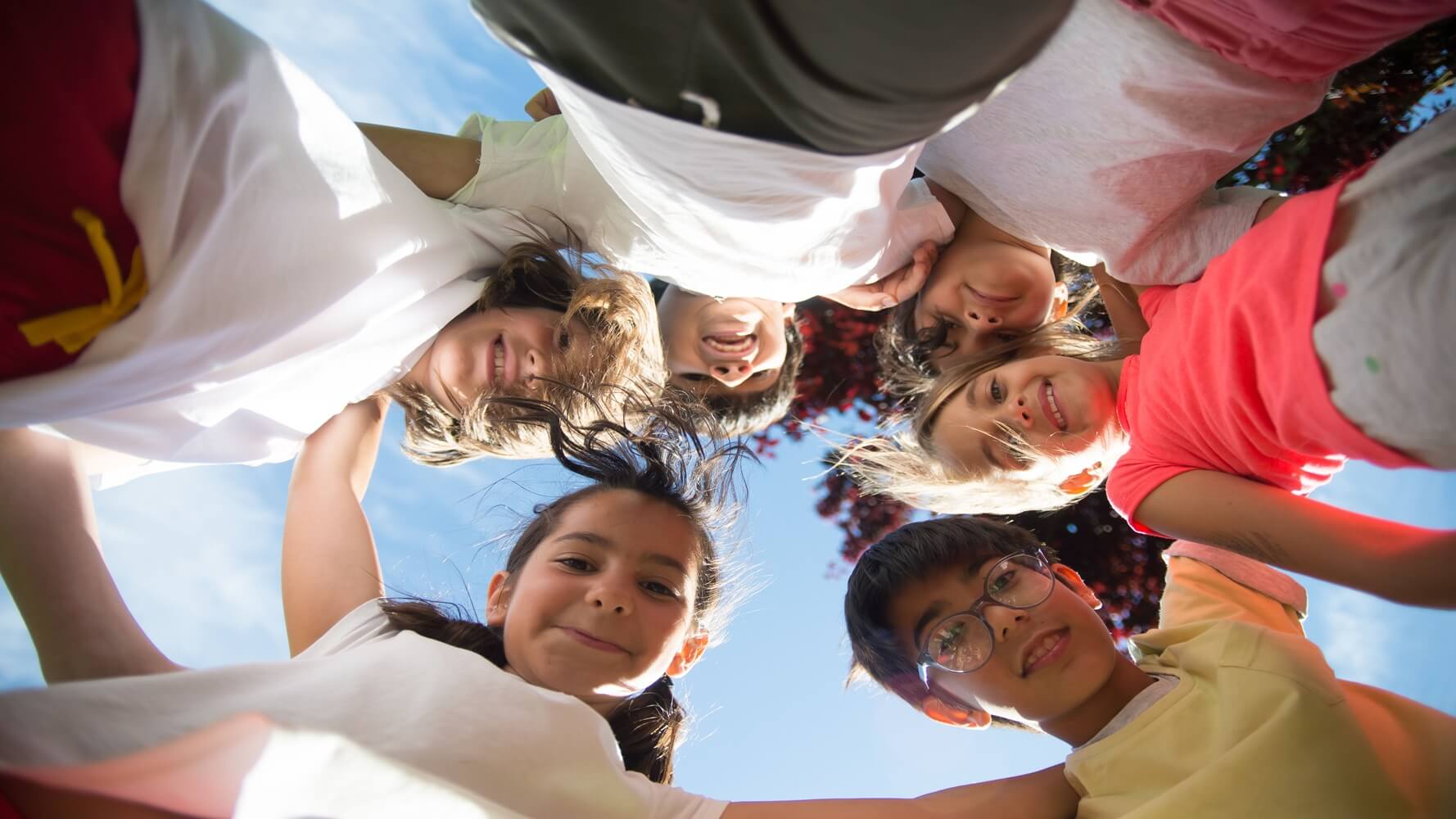
A child walks into a birthday party and within minutes is talking to everyone.
They are confident, energetic, and comfortable approaching other children. They tell stories, make jokes, and happily become the centre of attention. Most of us would probably say:
“That child has great social skills.”
But does being highly social necessarily mean being Socially Savvy?
Not always.
The child may be comfortable talking to people but constantly interrupts others. They may dominate conversations, miss signs that another child is uncomfortable, tease someone to get a laugh, or struggle when someone disagrees with them.
Now consider another child. They enter the same party quietly. They don’t immediately approach everyone and may prefer talking to one or two children. But they listen when others speak. They ask questions. They notice another child standing alone and invite them to join. They understand when someone doesn’t want to talk and know how to disagree without becoming aggressive.
Which child has better social skills?
The answer may not be as obvious as it first appears. And that leads us to an important distinction: Being social is about how much we interact. Being socially savvy is about how well we interact.
For parents and educators looking to develop better social skills in their kids, understanding this difference matters. Our objective should not be to turn every child into an extrovert. It should be to help every child become more capable of understanding people, navigating social situations, building healthy relationships, and responding appropriately.
What Are Socially Savvy Skills for Kids?
Socially Savvy skills are the abilities children use to interact and communicate with other people effectively and appropriately.
Beyond the obvious behaviors such as :
- listening
- taking turns
- starting conversations
- sharing
- cooperating
- asking questions
- communicating needs
- resolving disagreements
Being Socially Savvy goes much deeper and involves understanding people and situations well enough to engage appropriately.
What Is the Difference Between Being Social and Being Socially Savvy?
Being social generally describes a person’s tendency or desire to interact with other people.A social child might enjoy:
- meeting new people
- talking
- parties
- group activities
- playing with other children
- being the centre of attention
Being Socially Savvy is different. It is about the quality and appropriateness of those interactions. A Socially Savvy child understands:
- when to speak and when to listen
- how to enter a conversation
- when another person is uncomfortable
- how to include someone
- when a joke has gone too far
- how to disagree respectfully
- when to stop talking about themselves
- how to recognize another person’s perspective
- when to say no
- when to walk away
- when to seek help
This means a child can be:
Highly social and highly Socially Savvy
Highly social but less Socially Savvy
Less social but highly Socially Savvy
Less social and still developing social skills.
While sociability and Social Savvy skill overlap, they are, however, not the same thing.
Social Confidence Is Not the Same as Socially Savvy Either
There is another distinction worth making. Parents sometimes see a child who confidently approaches adults and other children and conclude that they have excellent people skills.
What they may actually be observing, as per the first child’s behavior in our opening example, is social confidence. It helps to separate three ideas:
Sociability
Do I enjoy interacting with people?
Social confidence
Do I feel comfortable interacting with people?
Socially Savvy skill
Can I navigate those interactions effectively and appropriately?
A confident child may still need to learn to listen. A sociable child may still need to recognize boundaries. A quiet child may be excellent at understanding people. An introverted child can be highly Socially Savvy.
This is why developing social skills should never become an exercise in trying to change a child’s personality. We don’t need every child to become more outgoing. But we should help every child become more capable when dealing with people.
Socially Savvy Skills Begin With People Awareness
Before children can engage people effectively, they first need to be aware and understand them.
Imagine a child enthusiastically explaining their favorite game to a friend.
The friend begins giving one-word answers.
They stop making eye contact.
They start looking towards another group.
A child focused entirely on what they want to say may continue talking.
A socially aware child notices that something has changed. They might think:
“Maybe she isn’t interested anymore.”
A Socially Savvy child then adjusts:
“What games do you like?”
And this is why people awareness is such an important part of developing social skills in children.
Being Socially Savvy Means Understanding Perspective
Children naturally experience situations from their own point of view. Developing social skills involves learning to ask:
“How might this look from the other person’s side?”
Imagine that James wasn’t invited to Daniel’s birthday party.
James thinks
“Daniel doesn’t like me.”
But perhaps Daniel’s parents only allowed him to invite six children.
Another classmate hears about it and concludes:
“James and Daniel must be fighting.”
One situation has already produced three different interpretations. Children can gradually learn that how I see a situation isn’t necessarily how everyone else sees it.
This doesn’t mean another person’s interpretation is automatically correct. It simply means there may be more than one perspective worth considering.
Socially Savvy Skills Include Knowing How to Handle Disagreement
Good social skills aren’t demonstrated only when everything is going well. They become particularly important when things aren’t going well. Children need to learn how to navigate:
- disagreements
- teasing
- misunderstandings
- rejection
- exclusion
- competition
- frustration
- peer pressure
A child who is friendly when everyone agrees but becomes aggressive whenever challenged still has important socially savvy skills to develop. Children can learn that disagreement doesn’t automatically require: winning, retaliating, insulting, surrendering, or ending the friendship.
Sometimes an appropriate response might be:
“I don’t agree.”
“I don’t like that.”
“What did you mean?”
“Let’s do something else.”
“Please stop.”
Or simply walking away.
From Social Savvy Skills to Savvy Intelligence™
At Savvy Academy, we believe children need more than a collection of communication techniques. They need to gradually develop the ability to understand the people and situations they encounter. That means learning to:
observe before assuming,
listen before concluding,
consider different perspectives,
recognise choices,
think about consequences,
engage people thoughtfully, and
respond appropriately.
These are important foundations of Savvy Intelligence™.
Through Savvy Kids™, children can explore these abilities through age-appropriate situations involving friendships, conversations, misunderstandings, peer pressure, exclusion, disagreements, choices, and everyday interactions.
The objective isn’t to produce children who always say the right thing. Nor is it to turn quieter children into extroverts. These are highly improbable tasks. The plan here is to help children become more thoughtful and mindful when navigating people and situations.
Frequently Asked Questions About Socially Savvy Skills for Kids
What are Socially Savvy skills for kids?
Socially Savvy skills are the abilities children use to understand, communicate, and interact with other people. They include listening, conversation, cooperation, perspective-taking, recognizing social cues, handling disagreements, respecting boundaries, and responding appropriately to different situations.
Is being outgoing the same as having good Socially Savvy skills?
No. An outgoing child may be socially confident without necessarily having strong listening, awareness, or relationship skills. A quieter child can have excellent social savvy skills. Sociability describes how much someone enjoys social interaction; social skill concerns how effectively they navigate it.
Can shy or introverted children have good Socially Savvy skills?
Absolutely. Socially Savvy skills aren’t determined by how talkative a child is. A quieter child may listen carefully, recognize other people’s feelings, respect boundaries, and communicate thoughtfully.
Can any children learn Socially Savvy skills?
Yes. Many social abilities can be developed through experience, modelling, discussion, role-playing and reflection on everyday situations. The aim isn’t to change a child’s personality but to expand the skills available to them.
What are some important Socially Savvy Skills children should learn?
Important skills include listening, starting conversations, asking questions, recognizing social cues, perspective-taking, cooperation, handling disagreement, setting boundaries, managing peer pressure, including others, and repairing relationships.
Why are Socially Savvy skills important for children?
Children regularly encounter situations involving friendships, teamwork, disagreements, authority, competition, peer pressure and misunderstanding.
Socially Savvy skills give them more tools for navigating these situations and building healthier interactions.
While there is nothing wrong with being highly social, there is also nothing wrong with being quieter. Every child has different personalities, preferences, and ways of engaging with the world. We recognize and acknowledge that.
The goal at Savvy Academy is not to produce one particular type of child. The goal is to give children the capabilities to navigate the social world while remaining comfortable with who they are. So perhaps the better question isn’t:
“Is my child social enough?”
It is:
“Is my child developing the skills to understand people, navigate social situations, and engage others appropriately?”
Because ultimately:
Being social is about how much you interact. Being Socially Savvy is about how well you interact. And learning how to interact well with people is a skill that can serve children long after childhood.